By Kelsey Maurine Brickl
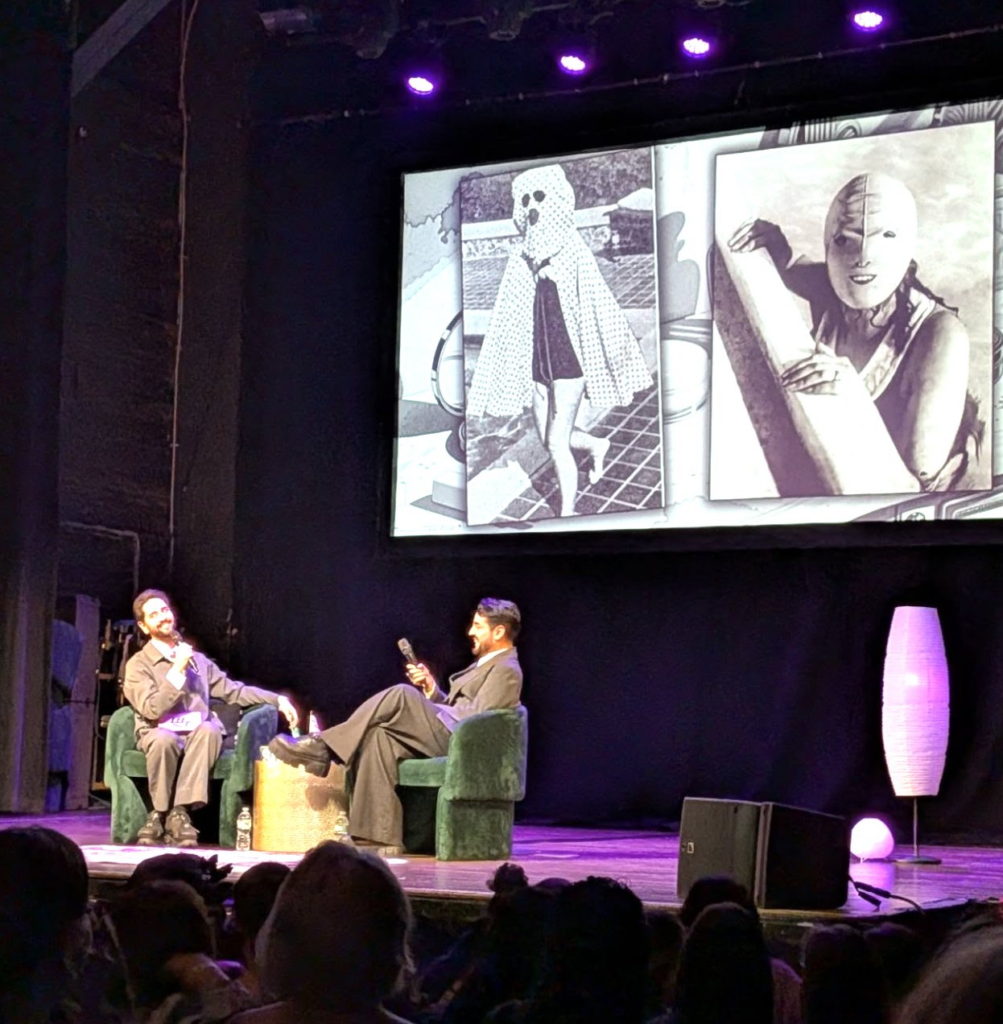
I had an appointment with a neuromuscular specialist today. By the time it was over, I was fatigued, sore and genuinely uncertain whether I would feel well enough to attend my ticketed event at the Gramercy Theatre. That uncertainty is a routine part of living with complex, fluctuating disabilities and chronic illnesses. Buying a ticket does not guarantee that my body will permit me to use it. Sometimes I can make a final decision only shortly before I am supposed to leave, after considering pain, fatigue, respiratory symptoms, the physical demands of transportation and whether the venue has supplied enough reliable accessibility information for me to attend without adding unnecessary risk.
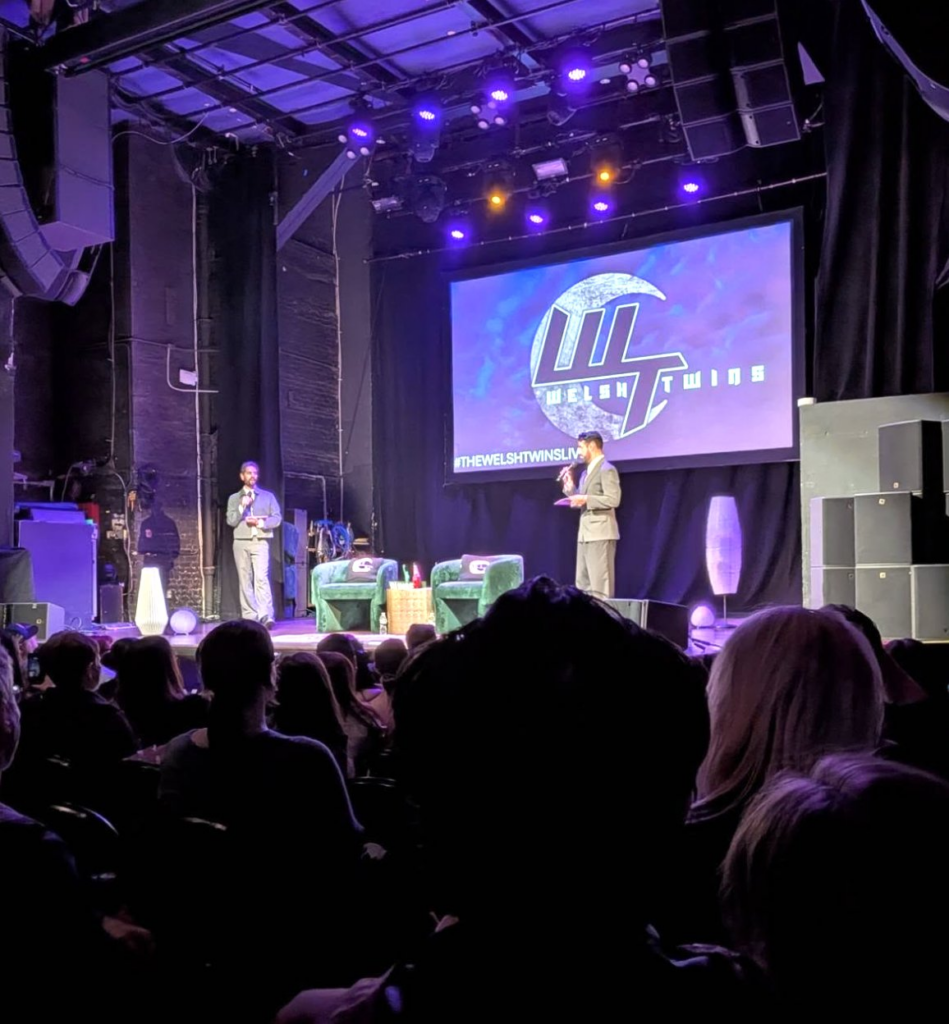
I have loved watching The Welsh Twins for a long time, though, and the Gramercy Theatre had done an excellent job corresponding with me about accessibility by email. Their communication gave me enough confidence to try. I went, remained for approximately half of the show and left when my body told me that I had reached my limit. I am so, so glad that I went.
Every member of the Gramercy Theatre staff whom I encountered was respectful, kind and helpful. They were also funny and professional, a combination that matters more than some venues seem to understand. Nobody treated my arrival as a crisis. Nobody made me feel as though the building had been forced into an elaborate diplomatic negotiation because a Disabled person had purchased a ticket. Staff knew how to communicate with me, how to help and how to let me enjoy the event without constantly turning my wheelchair or medical needs into the evening’s central administrative problem.
Special thanks are due to Christian, who helped make the experience work so well.
The Gramercy Theatre is nearly a century old. It is also accessible. My wheelchair location was enormous, particularly by the standards of many historic New York entertainment venues, and I could see perfectly. I had enough room to remain in my prescribed power wheelchair and use the space comfortably. I was not wedged into a marginal corner or placed where the audience’s ordinary movement automatically destroyed my sightline. The location felt like an actual place for a patron to attend an event, rather than whatever square of floor remained after every other operational priority had been satisfied.
The accessible bathroom is located in the basement and reached by a small elevator. The elevator may be physically small, but it did its job. I was able to use it in my complex power wheelchair and reach the accessible facility downstairs. A building’s age did not prevent the venue from establishing a workable accessible route. The staff’s behavior did not suggest that accessibility in an older building was an eccentric exception that nobody had previously contemplated.
This is really important when working through and discussing theatre accessibility because “historic building” is too often something venues hide behind to shrug away a lack of access as though it’s impossible to put in ramps, platforms, and elevators permanently or to preserve paid sightlines.
The Gramercy Theatre demonstrates how much can be accomplished by smaller, less opulent venues when they Disabled attendance as an ordinary part of operations. Basically every venue can accommodate basically every person when owners and management plan ahead for access, communicate accurately, maintain the necessary equipment, reserve genuinely usable wheelchair spaces and hire staff who understand that Disabled patrons are patrons.
Staff can be hired and trained to behave this way. The evening required no miracle. It required competent correspondence before the event, usable physical access, adequate wheelchair space, respectful employees and the absence of needless hostility. Those are operational choices.
The Welsh Twins were funny, personable and exceptionally easy to enjoy. They created a casual atmosphere and explicitly encouraged audience members to use their phones to take photographs and videos and to post what they captured on social media. That policy was communicated openly rather than left to uncertain enforcement by individual staff members. It suited the nature of the event and helped the audience feel involved without making the room chaotic. I think I left bigger fans of theirs than I’ve ever been.
The audience itself was friendly, diverse in every way and genuinely happy to be there. People seemed excited to see The Welsh Twins and comfortable sharing the experience with one another. The atmosphere felt lively without becoming physically or socially threatening. I could enjoy the room, the performers and the people around me while retaining control of my wheelchair, my medical equipment and my own decision about when I needed to leave due to my own body “giving out on me” for the day. One staff member warmly empathized as a person with fluctuating ambulatory disabilities and helped me not feel a sense of “FOMO” (fear of missing out).
Leaving halfway through did not make the evening unsuccessful. I attended while managing significant symptoms after a specialist appointment, saw performers whose work I have enjoyed for years and left because I listened to my body. Some of a show is better than none of a show, and for a severely ill and physically Disabled person, “some” can often be a huge win. The venue made it possible for me to make those decisions for myself. Nobody converted my early departure into an argument about whether I belonged there in the first place, and I left feeling really glad I’d come.
This is New York City live entertainment at its best: an old and characterful venue, a warm audience, performers who clearly wanted people to have fun and staff members who understood their jobs. Accessibility was built into my experience through ordinary, competent actions from the first emails through my time inside the theatre.
Ghost Light Access reports extensively on failures because those failures cause real exclusion, danger and humiliation. Accurate disability-access reporting must also document the places that get things right.
I truly felt like accessibility was part of how The Gramercy Theatre operates all the time. There were several visibly Disabled patrons present, and from what I could respectfully observe without asking questions, all were participating fully without obtrusive special accommodations like having seats drilled out of the ground or railings removed or being escorted in individually. Yet, staff did check in several times to ensure that I had what I needed, delivered my pre-ordered food to me so I didn’t have to go downstairs again, accommodated body and mobility at security, used respectful language (“the patron”) when discussing me over the radio, and more.
This is what proper system-wide, permanent accessibility looks like and what Ghost Light Access wants all theatres to implement: not one night of “special treatment” for one Disabled person, but a methodology of ensuring that all patrons can truly participate through equitable architecture and staff training. I’d like to personally and professionally praise and thank The Gramercy Theatre for being an example of this standard.